November 16, 2026
Understanding a Six-Course Tasting Menu in Napa Valley
By @thethoughtfulpalate
What Is a Six-Course Tasting Menu?
A six-course tasting menu is a curated sequence of small, focused dishes designed to take you through a range of flavors, textures, and cooking techniques. Unlike ordering from an à la carte list, where each dish stands alone, a tasting menu builds a narrative. The chef decides the order, the pacing, and the balance. You sit back and experience the meal as one cohesive journey.
For many diners, the idea of committing to six courses can feel formal or even intimidating. In practice, though, the portions are sized so that you finish feeling satisfied but not stuffed. Each course might be only a few bites, which lets you taste more variety than you would with a single main course. The focus is on quality and progression, not quantity.
How a Tasting Menu Works
The structure of a six-course menu usually follows a logical arc. A typical progression starts with light, bright flavors and gradually moves toward richer, more complex dishes. You might begin with a chilled soup or a small seafood course, then move into a vegetable or pasta course, followed by a fish course, a meat course, a cheese or pre-dessert course, and finally dessert. The exact lineup changes with the season and the chef's inspiration.
Each course is paired with a wine or other beverage in many restaurants, though you can often choose to skip the pairing. The drink match is not an afterthought. A good pairing enhances the dish and sometimes reveals a flavor note you would have missed otherwise. If you are not a wine drinker, ask about non-alcoholic pairings or simply order by the glass.
Timing is another part of the experience. A tasting menu is meant to be eaten slowly. Between courses there is a natural pause, which gives you time to talk, reflect on what you just ate, and anticipate what comes next. Expect the whole meal to last two to three hours. It is not a quick lunch. It is an evening.
Why Chefs Offer Tasting Menus
For the chef, a tasting menu is a way to show range and creativity. With six courses, a chef can work with more ingredients and techniques than a single dish allows. One course might highlight a delicate poached fish, while another features a slow-braised meat. The chef can also introduce less common ingredients or unusual combinations because the portion is small. If a diner is unsure about an ingredient, they only have to try a bite or two.
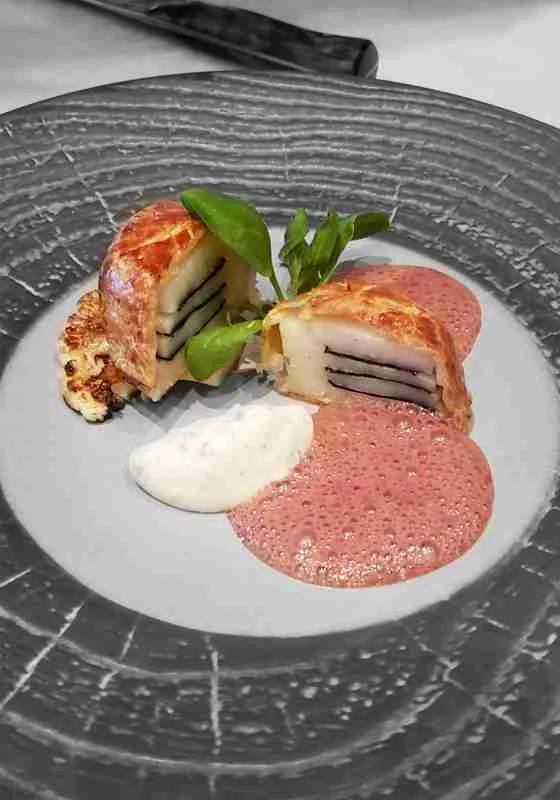
Seasonal produce plays a big role here. Many chefs change their tasting menus frequently, sometimes weekly, to reflect what is at its peak. That means the menu you see today may not be the same one offered next month. This constant evolution keeps the experience fresh for repeat visitors and lets the chef work with ingredients at their best.
An example of this approach can be found at La Toque, a Napa Valley restaurant that has offered tasting menus for decades. Chef Ken Frank built the menu around seasonal and authentic cuisine, adjusting courses as the harvest changes. La Toque presents a six-course tasting menu that reflects the chef's focus on ingredient quality and flavor balance, with options that accommodate different dietary preferences.
What to Expect as a Guest
When you book a tasting menu, you are trusting the kitchen to guide your meal. That trust is part of the appeal. You do not need to decide between five entrees. You simply show up and let the chef do the work. Still, it helps to know a few things beforehand.
First, let the restaurant know about any allergies, dietary restrictions, or strong dislikes when you make the reservation. Most kitchens can accommodate substitutions, but they need advance notice. If you are vegetarian, many tasting menus now offer a full vegetable course progression, not just a single salad. Some restaurants, including the one mentioned earlier, offer a dedicated vegetable tasting experience for guests who prefer plant-based courses.
Second, pace yourself. A six-course meal is a marathon, not a sprint. Eat lightly during the day before your reservation. If you skip breakfast and lunch, you may find yourself too full by the third course. A small breakfast and a light lunch will leave you with enough appetite to enjoy each course without rushing.
Third, do not be afraid to ask questions. The servers are there to explain each dish, its ingredients, and the reasoning behind the pairing. Asking about the course progression or the choice of a particular herb is part of the experience. It deepens your understanding and shows the staff that you are engaged.
How to Choose a Tasting Menu for Yourself
Not all six-course menus are the same. Some lean heavily on local ingredients, while others draw from global influences. Some are strictly seasonal, while others feature a core set of dishes that rotate slowly. Before booking, read the current menu if it is available online. Look for a balance of proteins and vegetables. If you see only heavy meats and cream sauces, the progression may feel monotonous. A good menu should alternate textures and intensities.
La Toque is also on Twitter.
Consider the price. Tasting menus generally cost more than a three-course meal, but the cost per bite may be comparable given the labor and ingredients involved. The price often includes small extras such as an amuse-bouche before the first course or a petit four after dessert. These are not listed on the menu but are part of the overall experience.
Check whether the restaurant offers wine pairings and whether you can order a half pairing or a non-alcoholic version. Some restaurants also let you swap a course if you absolutely do not like an ingredient, though the degree of flexibility varies. If you are dining with someone who does not want a tasting menu, see if the restaurant allows one person to order it while the other orders à la carte. Many restaurants accommodate this, but it is worth confirming.
Finally, think about the occasion. A tasting menu works well for a celebration or a quiet evening where you want to focus on the food and conversation. It is less suited for a quick business dinner or a group where some people prefer simple food. If the setting feels too formal, you may not fully enjoy the experience.
The Role of Ingredient Quality and Flavor Balance
The success of any tasting menu depends on the raw materials. A chef can only be as good as the produce, seafood, and meats they source. High-quality ingredients need less manipulation. A perfectly ripe tomato needs little more than salt and olive oil. A fresh piece of fish can be served nearly raw with a squeeze of citrus. When ingredients are mediocre, the chef has to mask them with heavy sauces or strong spices, which throws off the balance of the menu.
Flavor balance is what makes a tasting menu feel coherent. A good menu will not serve two creamy dishes in a row. It will not follow a sweet course with another sweet course. The chef thinks about acidity, fat, salt, sweetness, and bitterness, and arranges the courses so that each one cleanses the palate for the next. This is why a citrus sorbet or a sharp vinaigrette sometimes appears halfway through. It resets your taste buds.
As a diner, you can appreciate this balance by paying attention to how your palate changes. After a rich course, a lighter one will taste especially refreshing. After a bitter green, a sweet course will feel indulgent. Noticing these contrasts is one of the pleasures of a tasting menu.
Common Questions About Tasting Menus
Do I need to dress formally? Many tasting menu restaurants have a dress code, but it is rarely a tuxedo. Smart casual is usually fine. Check the restaurant's website or call ahead if you are unsure.
Can I take leftovers? Tasting menus are designed to be finished in one sitting. Portions are small enough that leftovers are rare. If a course comes with a sauce or garnish that you want to take home, ask the server.

What if I do not like a course? You can always skip a course and let the server know. The kitchen will not be offended. Some diners ask for a substitution ahead of time, as noted earlier.
Is a tasting menu worth it for someone who eats simply? If you enjoy trying new things and are open to the chef's vision, yes. If you prefer a straightforward steak or pasta dish, you may feel the menu is too experimental. In that case, look for a restaurant that offers both tasting menus and à la carte options.
La Toque is located at 1314 McKinstry St, Napa, CA 94559, USA, and can be reached at +1 707-257-5157 for reservations and inquiries.
❧